


Artificial intelligence is fast changing the landscape of software development, changing how developers create, test, and deploy applications. AI assisted software development is not a trend, it’s a paradigm shift in the industry that allows developers to work faster and produce better code. In this article, we explore the future of AI-assisted software development, including the benefits, challenges, and tools driving this new era.
The Rise of AI in Development
The software development lifecycle has become increasingly integrated with AI technologies. These AI tools are meant to improve developer productivity: from automating basic tasks to supplying intelligent code recommendations. These tools use machine learning and natural language processing to learn coding patterns and help developers while they code. This way, developers can concentrate on more difficult issues, shortening the period of project execution and enhancing creativity.
Enhancing Productivity
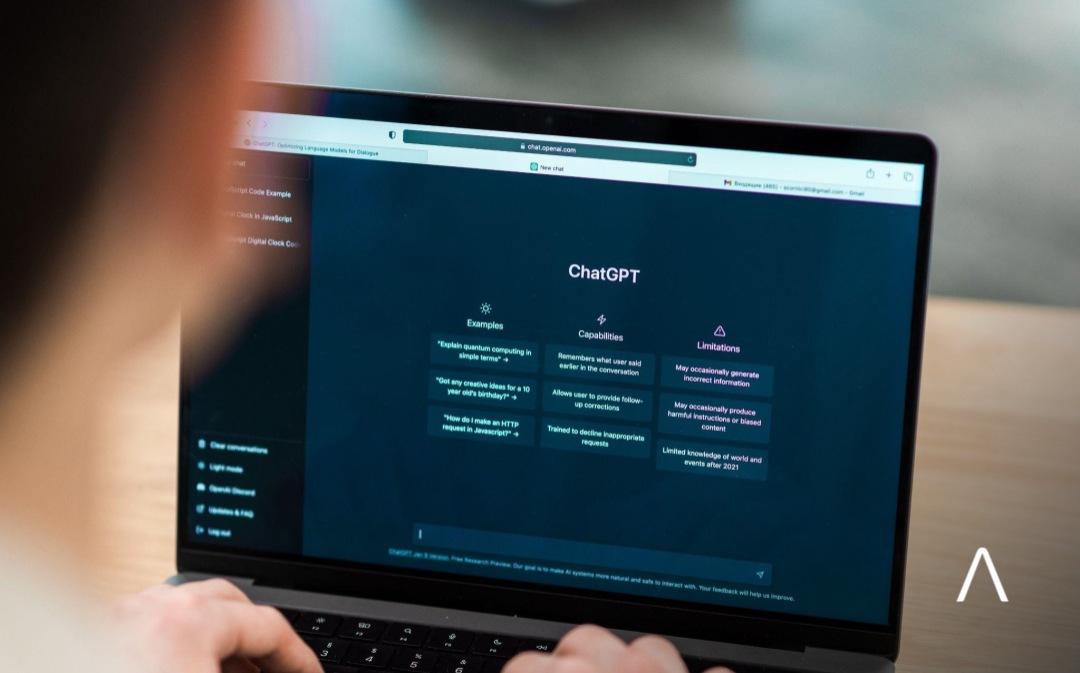
The most important advantage of AI-assisted development is the productivity boost it provides. GitHub Copilot and Tabnine are tools that provide context-aware code suggestions, helping developers write code faster and with greater accuracy. These tools predict what a developer will do next, reducing the time spent on repetitive tasks and the frequency of mistakes. This efficiency enables teams to spend more time on the really important parts of a project, like architecture and user experience design.
Additionally, AI can test automatically with tools such as CodiumAI that automatically build unit tests from code changes. Besides speeding up the testing phase, this automation also improves code quality by providing more thorough coverage and proper testing status, and by detecting potential bugs early in the development cycle.
Improving Code Quality
The use of AI tools helps improve code quality by identifying vulnerabilities and suggesting best practices. For example, Amazon CodeWhisperer scans your code for security vulnerabilities and tells you what needs fixing. It helps developers maintain high-quality standards and reduces the risk of security breaches.
Additionally, AI-based code review tools can detect errors resulting from a lack of proper style guidelines and best practices by analyzing code and ensuring that everyone on the team adheres to the same coding standards. These tools help deliver more maintainable, reliable software by catching issues before they reach production.
Facilitating Collaboration
With the rapid increase in distributed development teams, collaboration tools fueled by AI are essential to productivity. Developers can save and share code snippets on platforms like Pieces and receive context-aware suggestions based on what they have interacted with previously. Having this knowledge base in common enables your teammates to work together no matter where they are in the world.
Additionally, AI can automate project management processes, such as creating sprint reports and tracking progress. Stepsize AI integrates with issue trackers, providing real-time status updates on development progress so everyone stays in the loop.
Challenges Ahead
While the advantages of AI-assisted software development are plentiful, there are still obstacles. The concern is that AI tools are being over-relied on, and developers are losing the fundamental coding skills. Critical thinking and problem-solving are as important as tool usage in adapting education programs.
Another challenge is the use of AI tools that require access to the source code repository to work—how do you ensure data privacy and security? When using these tools, developers must be vigilant about the permissions they grant and check with their organizational policies.
Conclusion
The possibilities for supporting AI assistants in software development are promising, empowering developers to create more efficient coding solutions, improve code quality, and foster better collaboration with their teams. The development of AI technologies will only continue, so developers will need to embrace these tools and be aware of the problems they cause. Instead, developers should be deliberate and strategic when incorporating AI into their workflows, using it to deliver innovative solutions to the evolving demands of the digital space. With the promise of a new era of software development, the creative union of human and artificial intelligence will certainly push the limits of what is conceivable in software engineering.
