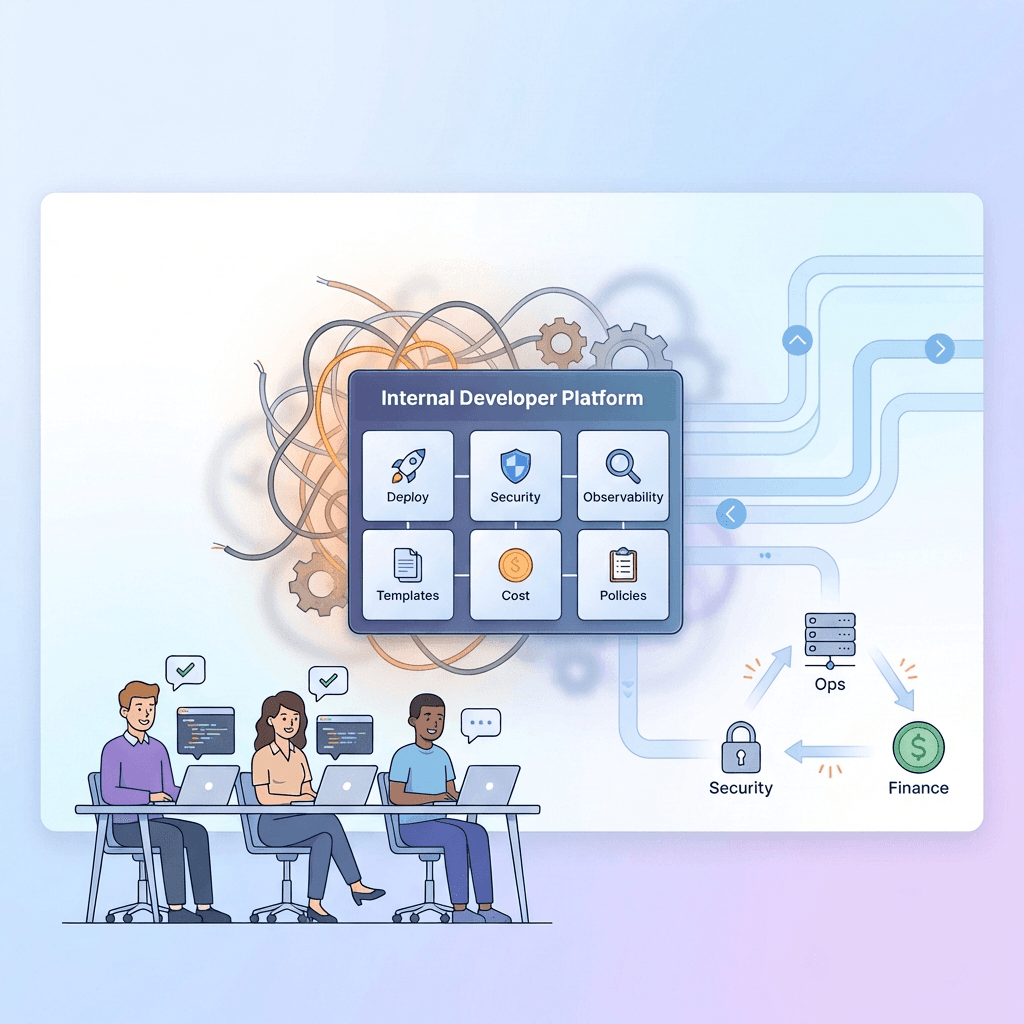
Continuous Integration and Continuous Delivery (CI/CD) has been a game changer in the world of software development, especially if you are part of the DevOps framework. Looking ahead to 2025, we need to understand the path of CI/CD practices to improve the software delivery process for organizations. In this guide, we look at the key developments and trends in the world of CI/CD that will impact the industry in the coming years.
1. The Foundations of CI/CD
The traditional software development model was long release cycle and siloed teams, and CI/CD arose as a response to that. Agile methodologies opened up doors to faster iterations and more collaborative environments. Continuous Integration is about automatically merging code changes into a shared repository and then having those changes tested and feedback immediately. Continuous Delivery takes this one step further by ensuring that the code is always in a state where it can be deployed, and thus released more frequently with minimal manual intervention.
2. Automation at the Core
With 2025 approaching, automation continues to be the heart of CI/CD practices. Automation tools have been integrated in the system to reduce human error and enhance efficiency. As a result, automated testing frameworks are essential in order to run tests continuously within the CI pipeline. By speeding up the development cycle, this change also improves code quality by finding these problems earlier in the lifecycle.
3. The Rise of DevSecOps

As security takes center stage in software development, the adoption of security practices into CI/CD pipelines (DevSecOps) is on the rise. By weaving security checks at every stage of the development process, rather than at the end only, organizations can better avoid delivering vulnerable code to production. Taken proactively, it not only helps to save the applications but also cultivates a shared security responsibility culture amongst the development, operation and security teams.
4. Cloud-Native Technologies
With the rise of cloud native technologies, the way we build and manage CI/CD pipelines is changing. Containerization is made easy with tools like Kubernetes and Docker where developers can build consistent environments from development to production. It helps to reduce deployment issues and scale. With more and more organizations moving to cloud platforms, the use of cloud native CI/CD tools will become essential in order to achieve the highest levels of efficiency and flexibility.
5. AI and Machine Learning Integration
Combining Artificial Intelligence (AI) and Machine Learning (ML) will transform CI/CD practices by offering predictive analytics and automated intelligent capabilities. These methods can then analyze historical data to process future bottlenecks or failures before it is too late. Furthermore, AI powered tools can streamline test process by spotlighting the high risk areas which need a more comprehensive test.
6. Enhanced Collaboration Tools

Successful CI/CD implementations keep collaboration as a crucial part. With increasing prevalence of remote work, the tools for communication and collaboration with the distributed teams becomes crucial. As each platform integrates version control, issue tracking, and project management, it will become more and more important for each team member to be aligned throughout the development lifecycle.
7. Focus on Observability
With the continued maturation of CI/CD practices, observability, or the ability to monitor applications in real time to learn about performance and user experience, is becoming increasingly important. Observability allows teams to add observability to CI/CD pipelines so that they can quickly identify issues post deployment and iterate based on user feedback. In fast paced environments, this continuous loop of monitoring and improvement will be vital to keep high quality applications.
Conclusion
Now that we have entered 2025, the evolution of CI/CD will continue influencing programming ahead. Automation is at the heart of it, improved security practices with DevSecOps, cloud native technologies, AI integration, better collaboration tools, and observability to facilitate the software delivery process and keep the quality and security high. Teams that wish to survive in an ever more competitive landscape where speed and reliability are paramount will need to embrace these trends.